Condition and Treatment Report
What is it for?
Condition report is the first fundamental step of any conservation intervention. This detailed technical document constitutes a written photograph of an artwork’s condition at a precise moment. At Atelier CROMA, I consider this phase essential because it allows establishing precise diagnosis before developing adapted treatment strategy. This document is followed by treatment report relating all conservation steps.
This essential approach allows to:
Document current artwork condition with precision (alterations, prior interventions, technical particularities) and trace complete history of interventions carried out
Establish rigorous diagnosis of pathologies and their causes, then justify adopted treatment choices
Plan custom intervention responding to the artworks specific needs and guarantee traceability of materials and techniques used
Have objective reference for long-term conservation state monitoring and evaluate effectiveness of applied treatments
Constitute precious archive for the artwork history and heritage valorization, enriched with technical data on interventions
Provide complete reference document for insurance, loans or transactions, including initial state and treatments performed
Ensure professional ethics by transparently documenting entire conservation process
Particularly relevant approach for contemporary art
In my specialty, modern and contemporary art, condition report takes on particular importance:
Contemporary artworks often present experimental or mixed materials whose precise documentation is crucial
Unconventional techniques require in-depth analysis to adapt treatments
Artistic intentions linked to aging or material evolution must be taken into account
Specific alterations to modern materials (plastics, resins, acrylics) require precise identification
How I proceed at Atelier CROMA ?
As a conservator specialized in modern and contemporary art, I apply rigorous methodology for my condition reports:
1. In-depth visual examination under different conditions
I begin with minute observation:
- Examination in direct and indirect light to detect visible alterations
- Observation under raking light revealing deformations, lifting and textures
- Analysis under different magnifications to identify microscopic alterations
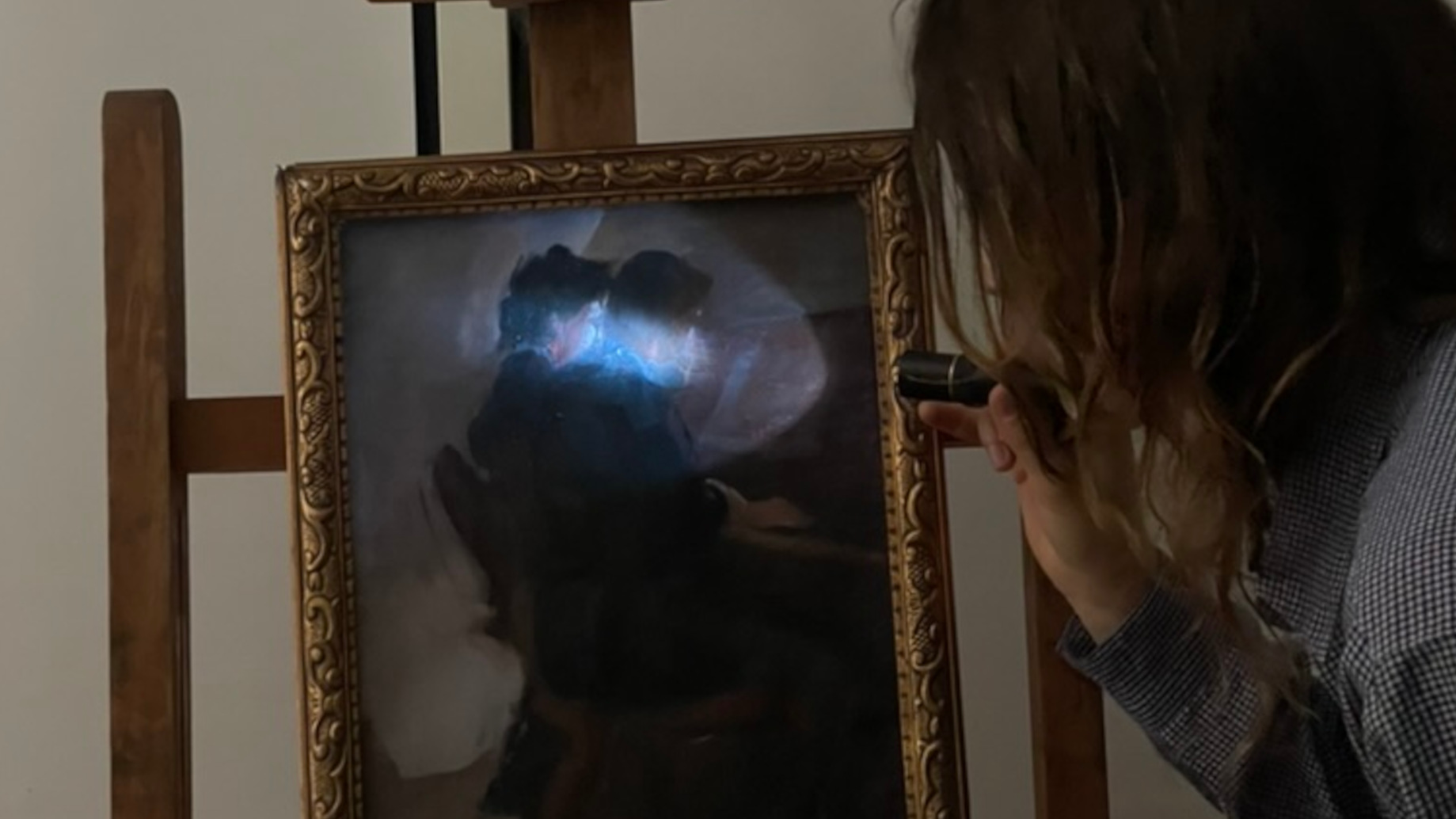
- Examination under ultraviolet light to spot prior treatments
- Complete photographic documentation under different lighting conditions
2. Technical analysis of work
I then proceed to precise characterisation:
- Identification of constitutive materials and their specificities (canvas, stretcher, preparation, paint layer)
- Recognition of execution techniques used by artist
- Recording of dimensions and structural particularities
- Location of signatures, inscriptions and marks present on the artwork
- Analysis of hanging and presentation systems
3. Alteration mapping
I carry out exhaustive documentation:
- Precise location of all alterations on annotated diagrams or photographs
- Classification of degradations according to their nature (structural, aesthetic)
- Evaluation of severity of each alteration and its impact on conservation
- Identification of probable causes of observed deteriorations
4. Adapted treatment proposal
Based on this diagnosis:
- Development of custom intervention protocol for the artwork
- Definition of conservation objectives in agreement with owner or responsible
- Presentation of treatment options with their advantages and limits
- Estimation of delays and costs linked to proposed interventions
5. Complete treatment report
After intervention, I provide:
- Detailed documentation of treatments carried out and products used
- Comparative before/after photographs for each intervention
- Personalized recommendations for future conservation
- Exhibition and handling advice adapted to the artwork specificities
My ecological approach for condition reports
At Atelier CROMA, my ecological commitment also translates in my condition report practice:
Use of durable and recyclable materials for sampling and tests
Privileged digital documentation to limit paper consumption
Preference for non-invasive analysis methods respecting the artwork integrity
Proposal of preventive conservation solutions limiting needs for future interventions
Recommendation of ecologically responsible conservation conditions (acid-free storage materials, low-consumption lighting systems)
Evaluation of environmental impact of different proposed treatment options
An investment for your collection’s longevity
Condition and treatment report constitute much more than simple technical documents. They represent an investment in long-term conservation of your artistic heritage.
As collector, gallery owner, museum curator or individual, you benefit from pointed expertise and professional documentation that valorises your artworks while guaranteeing their optimal preservation.
Ask for a personalised estimate
You wish to have condition report carried out or schedule conservation intervention for an artwork in your collection? Don’t hesitate to contact me to discuss your specific needs or request personalised quote.