Retouching
What is it for?
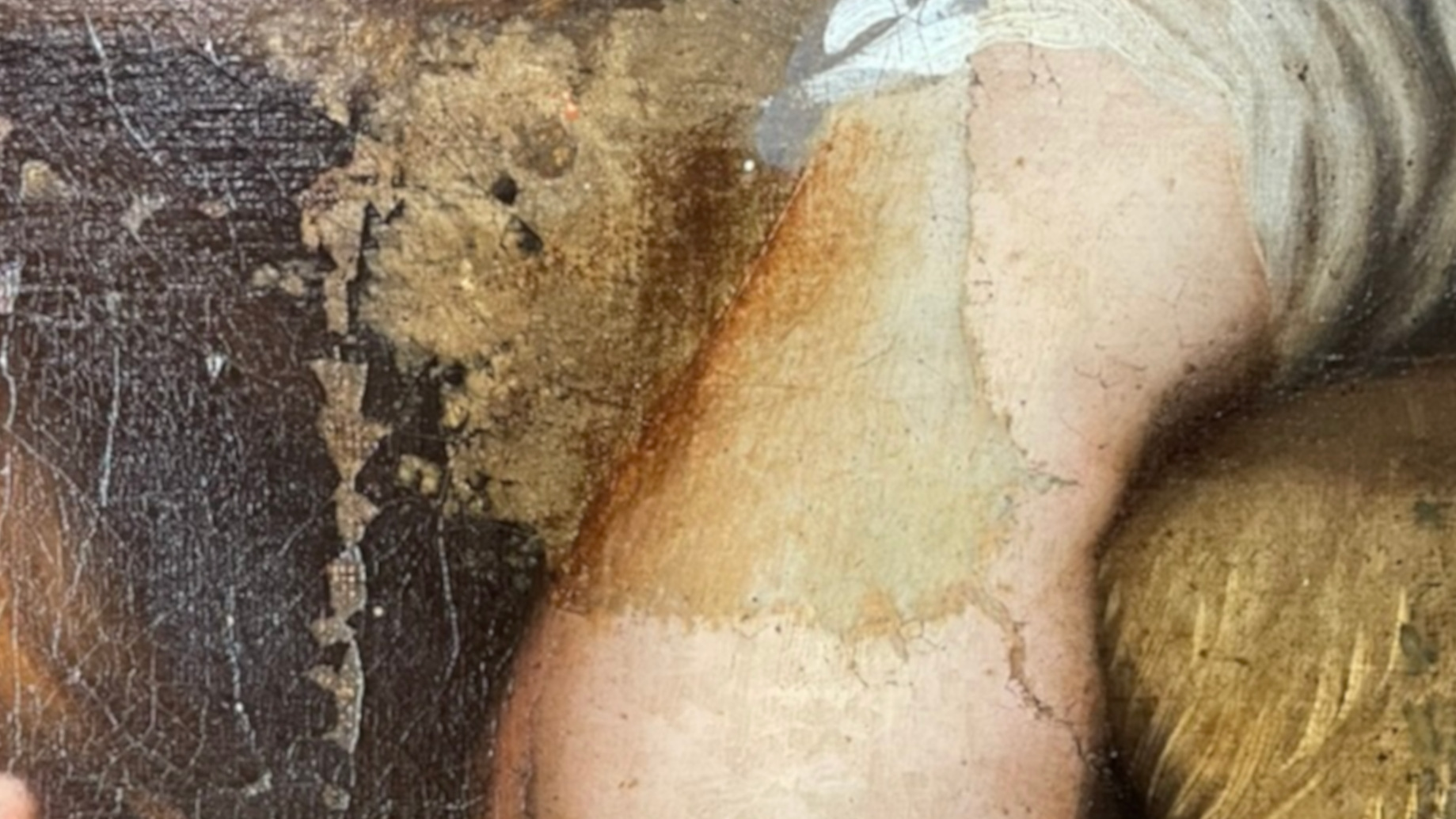
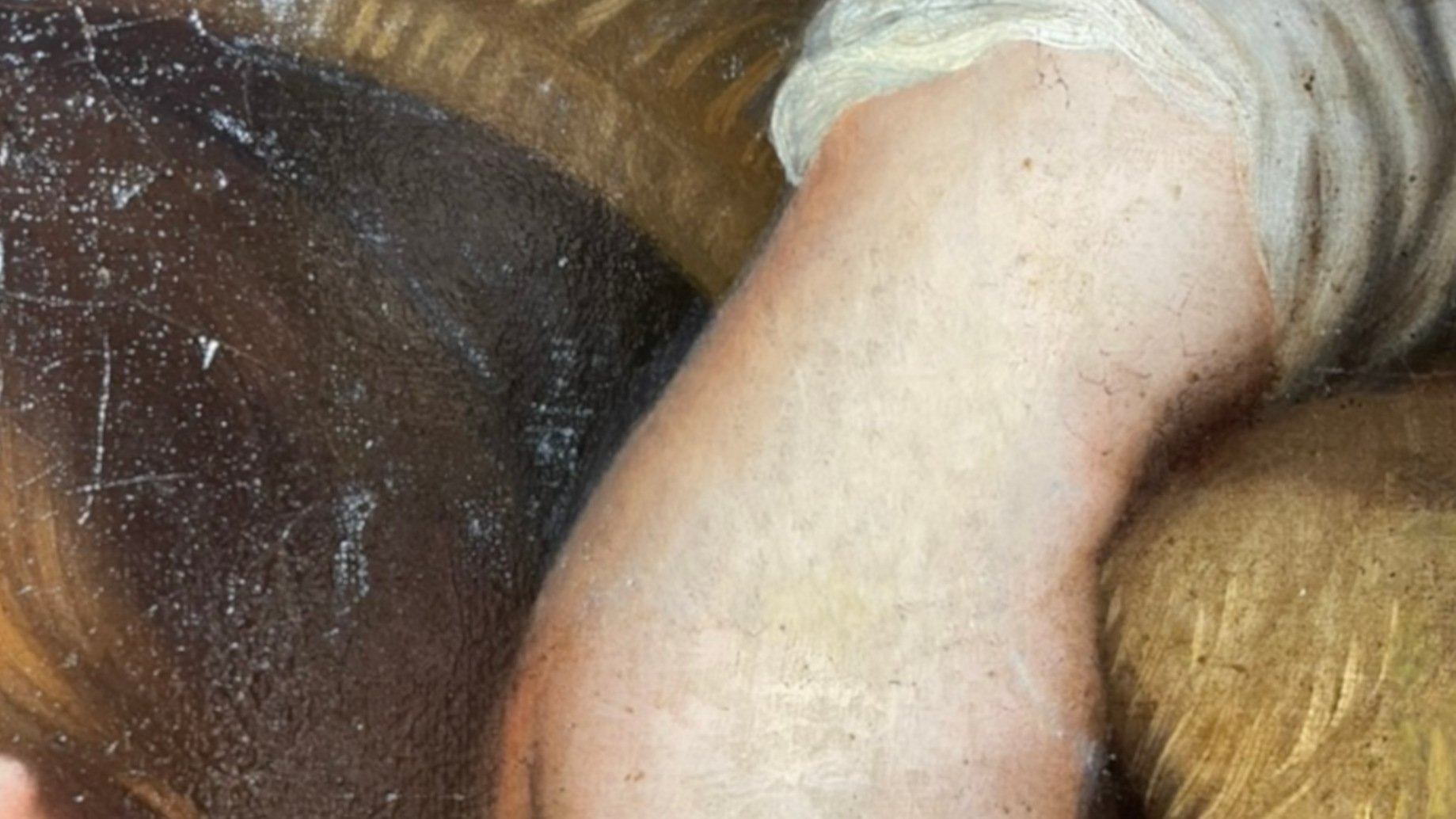
Retouching is one of the most delicate and visible steps of an artwork’s conservation process. This intervention consists of chromatically reintegrating previously filled loss zones, as well as visually harmonizing zones of wear, abrasion or alteration of the original paint layer.
Visual rebirth for the artwork
Retouching pursues several fundamental objectives:
Recover aesthetic harmony
wanted by the artist
Visually integrate treated zones without them becoming attention points, creating dialogue between original and treated zones
Respect the artwork’s authenticity while improving its perception
Propose a respectful interpretation of disappeared elements, if applicable
Apply ethical methodology
guaranteeing treatment reversibility
A particular challenge for modern and contemporary art
In the field of modern and contemporary art, my specialty at Atelier CROMA, retouching presents important specificities:
Industrial colours with nuances sometimes difficult to reproduce (monochromes, flat tints)
Unvarnished surfaces where retouching is directly visible and must be perfectly integrated
Complex optical effects (inter-ferences, iridescences, metallisations)
Juxtapositions of different materials (matte/glossy, opaque/trans-parent)
Conceptual intentions of the artist concerning the artwork’s visual aspect
How I proceed at Atelier CROMA
As a conservator specialized in contemporary art, I approach retouching with a rigorous methodology adapted to each artwork:
1. Prior colorimetric analysis
- Precise study of surrounding colours under different light sources
- Characterization of colours used by the artist
- Understanding of underlying layers influencing color perception
- Photographic documentation serving as reference throughout the process
2. Selection of retouching materials
I meticulously choose materials according to:
- Nature of original binders (oil, acrylic, vinyl…)
- Sought optical qualities (transparency, opacity, gloss)
- Stability over time of pigments and colorants
- Ecological criteria and reversibility
For modern and contemporary artworks, I mainly use:
- Specific conservation colours formulated for their stability and reversibility
- Modified acrylic binders compatible with contemporary support diversity
- Glaze systems allowing progressive and controlled work
- Adapted mediums recreating specific matter effects
3. Retouching methods adapted to modern and contemporary artworks
My technical palette includes different approaches according to each artwork’s specific needs:
- Tratteggio: fine hatching technique allowing form and colour reconstruction
- Pointillism: juxtaposition of colored points creating optical mixture
- Glazing: superposition of fine transparent layers for chromatic depth
- Illusionist retouching perfectly integrated for uniform surfaces
- Spray retouching finely mastered for imperceptible gradations
4. Rigorous ethical approach
My retouching philosophy rests on clear ethical principles:
- Total reversibility: possibility to remove retouching without altering the original
- Readability for specialists: intervention traceability under certain examination conditions
- Minimalism: intervention limited to strictly necessary
When is retouching necessary?
This intervention may be indicated in various situations:
Presence of filled losses
requiring chromatic reintegration
Visible wear
disturbing the artwork’s reading
Old altered overpaints
requiring revision
Visual imbalance
resulting from other conservation interventions
Preparation of an artwork for an important exhibition or a sale
Abrasion zones where paint layer is thinned but not totally disappeared
Why choose Atelier CROMA for retouching your artworks?
At Atelier CROMA, I offer specific expertise for retouching modern and contemporary artworks:
In-depth training in advanced retouching techniques
Artistic sensitivity allowing to understand and respect the artist’s intention
Ecological approach favoring materials with low environmental impact
Holistic vision considering the artwork in its entirety
Technical mastery of specific challenges posed by contemporary materials
Retouching often constitutes the final and most visible step of the conservation process. Its quality largely determines the perception we will have of the treated artwork and the intervention itself. That’s why it requires not only an irreproachable technique but also artistic sensitivity and deep understanding of the artwork’s aesthetic stakes.
Request a personalised estimate
If your artwork requires retouching, I invite you to contact me for a personalized evaluation. After an in-depth examination, I can propose a detailed estimate and an approach adapted to your artwork’s specificity, respecting its historical and aesthetic integrity.